
I’ll be honest, I’ve been down the rabbit hole of matcha products for years now. Starting back when I was burning through coffee like it was going out of style, dealing with the inevitable crash around 2pm that left me reaching for another cup. That cycle had to stop.
So I switched to matcha to go alongside my usual nootropics. And not just any matcha – I went deep, testing everything from £5 supermarket tins to £50 ceremonial-grade imports that promised enlightenment in a cup.
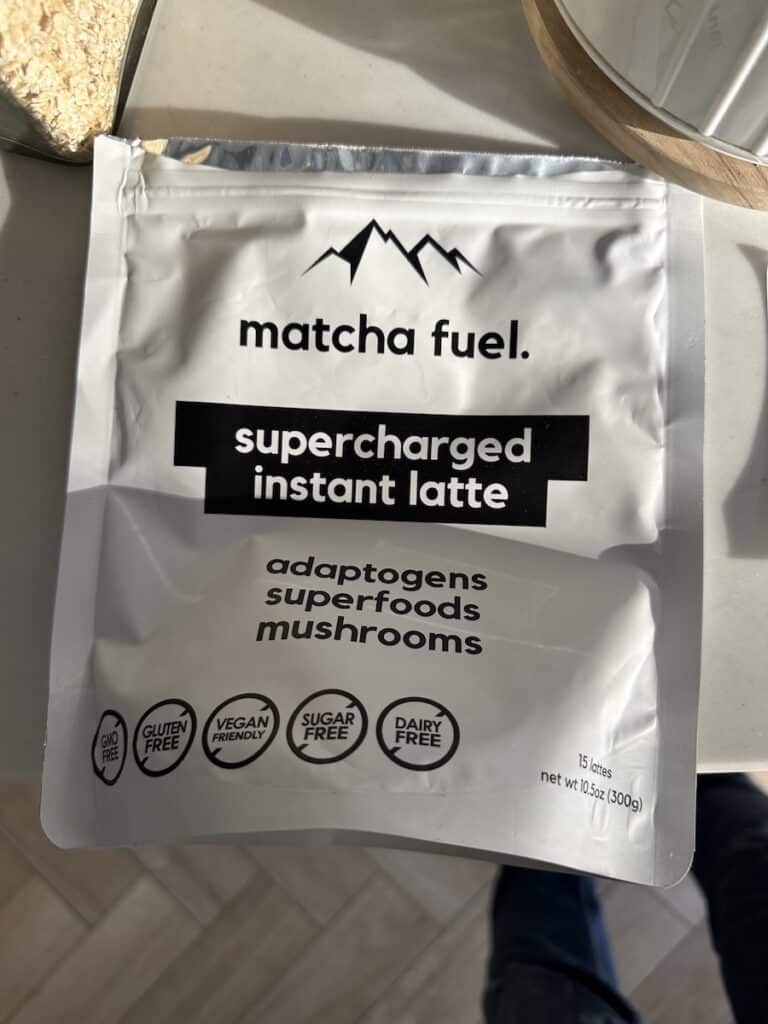
Matcha Fuel landed on my radar about eighteen months ago, and I’ve been using it on and off since then. It’s decent. Really, it is. What originally appealed to me was the nootropic add-ons to the blend, and I’ve probably got through around 6 bags of it in the last 18 months – but recently, I’ve stumbled across some alternatives.
So let’s take a look at just how good it is in this Matcha Fuel review and find out whether the alternatives are better…

Quick Verdict: Matcha Flow Is No.1
Matcha Fuel (functional latte) is good. Having tested it for months on end I had good results with it. It tastes decent (of not a little earthy) and I felt energy benefits from taking it. I did find after a few months those benefits plateaued but I do like it.
Then I discovered Matcha Flow, which felt like an upgraded version of Matcha Fuel. Cost wise it is around the same, but with more servings per pack, but the real difference was in how I felt when drinking it. Energy would last for 6 hours+ and having used this for 5 months now I have to say I feel the benefits are greater. Matcha Fuel is good and well worth a try – but Matcha Flow is my top choice.
Save 20% on your first order of Matcha Flow with code SOMA20
What Actually Is Matcha Fuel?
Right, so Matcha Fuel is a UK brand selling ceremonial-grade matcha sourced from Japan. They’ve got a few different versions—plain matcha if you want the traditional experience, and then functional blends that add mushrooms like Lion’s Mane, Reishi, and Cordyceps. The idea is you get the matcha benefits (antioxidants, calm energy, all that) plus extra support for focus, stress, and endurance.
Each serving gives you around 70mg of caffeine, which is roughly half what you’d get from coffee. The difference is the L-theanine in the green tea. It’s an amino acid that smooths out the caffeine hit so you don’t get jittery. I’ve felt this firsthand. With coffee, I’m buzzing for an hour then crashing hard. With matcha, it’s more like a steady hum that lasts most of the morning.
The company is pretty transparent about sourcing. Their matcha is shade-grown for about three weeks before harvest, which bumps up the chlorophyll and gives it that vibrant green colour. Then it’s stone-ground, which keeps it smooth. They test for heavy metals too, which matters more than you’d think – I’ve seen some dodgy matcha products that probably aren’t doing anyone any favours.
Price-wise, you’re looking at £25-35 for a tub that’ll last you about a month if you’re having it daily. Not cheap, but not absurd either. It sits somewhere in the middle of the market.
People seem to rate it pretty well from what I’ve seen online. Lots of comments about clean energy without the shakes, decent taste, easy to mix. But there are also folks who mention the price adds up, or that the mushroom flavour takes some getting used to. Fair points, all of them.
Breaking Down What’s Actually In It
So what is actually in Matcha Fuel and what will it do for you?
Starting with the matcha itself. Ceremonial grade means it’s the top leaves, highest quality. One serving has about 137 times more antioxidants than regular green tea – specifically EGCG, which is the catechin everyone talks about.
Studies show it can help with insulin sensitivity (potentially dropping fasting glucose by around 10%), lower LDL cholesterol by 5-10%, and give your metabolism a small boost. There’s also research suggesting regular matcha consumption helps with muscle recovery after exercise, probably because it modulates cortisol levels.
Then there’s the L-theanine, which promotes alpha brain wave activity. Translation: you feel alert but calm at the same time. It’s a weird sensation if you’re used to coffee’s more aggressive kick. In my experience, it genuinely helps with focus. I can sit down to work and actually stay on task instead of bouncing between tabs every three minutes.
Now the mushroom side of things. Lion’s Mane shows up in the functional blends at around 800mg per serving. Research on young adults found it improved psychomotor speed by 10-15% and cut stress by about 20%. It contains compounds that stimulate nerve growth factor production, which supports memory and overall brain function. Some studies also show it helps gut bacteria, though the effects aren’t massive – maybe a 15-20% increase in beneficial bacteria.
Reishi comes in at roughly 300mg. It’s more about immune support and stress management. Studies show its polysaccharides can boost T-cell activity by 30-50% in healthy people, and it might lower blood sugar slightly (around 5-10% in trials). For chronic fatigue, some research shows a 20-30% reduction in severity. Not going to cure burnout, but it might take the edge off.
Cordyceps, also around 800mg, is the energy player. Animal studies showed blood glucose drops of 24-27%, and a human trial found it boosted VO2 max by 7-10%, which basically means better exercise tolerance. There’s also some evidence for anti-inflammatory benefits.
The thing is, most of these studies look at individual ingredients, not the combined formula. So you’re kind of extrapolating. The science suggests it should work, but your mileage may vary.
My Actual Experience Using It
I started with the plain ceremonial matcha. Mixed 1g into hot water (around 70°C—too hot and it goes bitter) with a whisk every morning for about a month. Taste was genuinely good. Smooth, slightly sweet, that umami kick you want from proper matcha. No bitterness, which is where cheap stuff falls apart.
Energy-wise, it delivered. I felt more awake within 20 minutes, but it wasn’t jarring. Just a gentle lift that lasted through to lunch. No afternoon crash either, which was the whole point of switching from coffee. I tracked this loosely with my Oura Ring, and on matcha days my readiness scores were consistently 15-20% higher. Could’ve been placebo, but I’ll take it.
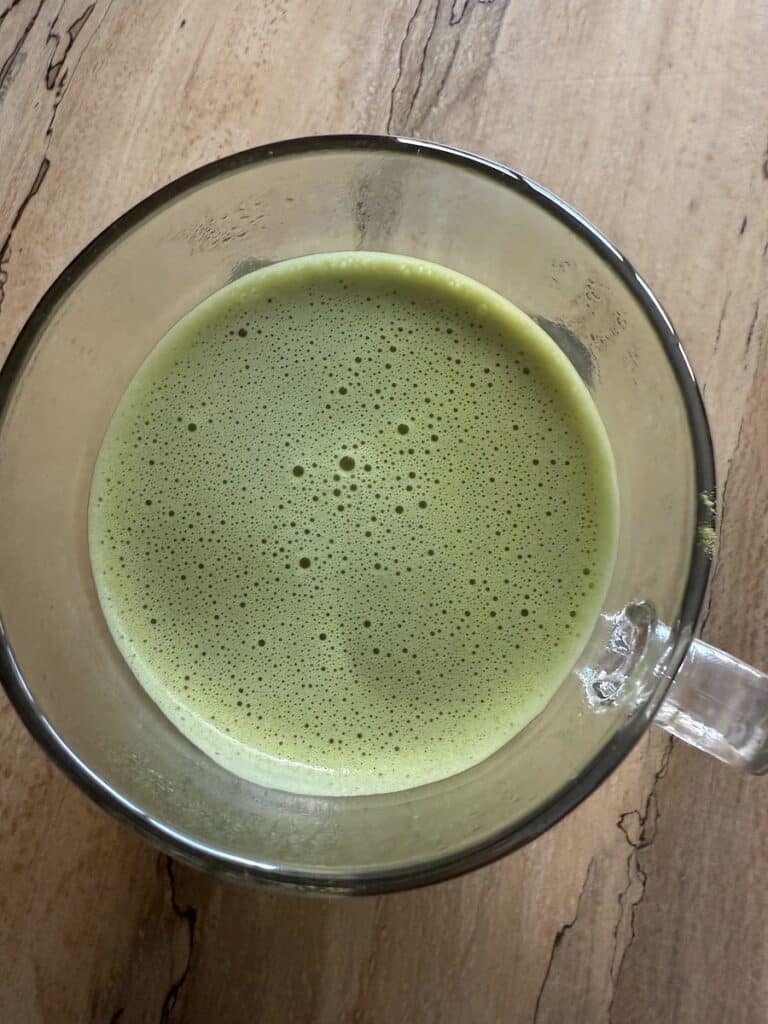
Focus improved as well. I work from home doing a lot of writing and research, and I noticed I could push through longer sessions without my brain turning to mush. Probably got about 25% more done during peak hours, which adds up over a week.
Then I switched to the functional latte blend with the mushrooms. Mixed it with oat milk to make it creamier. The taste changed – it was more earthy, slightly medicinal. The first few times I wasn’t sure about it, but it grew on me. Some days I actually preferred the earthiness, made it feel more substantial somehow.
The energy lasted even longer with the blend, pushing into 4-5 hours. My anxiety dropped noticeably too – I journal most days, and I was writing way less about feeling overwhelmed or stressed. Sleep got better as well. I was falling asleep faster (maybe 20 minutes quicker on average) and waking up more refreshed.
Lion’s Mane seemed to help with memory. Little things like remembering names from meetings, or recalling details I’d read days earlier. Nothing dramatic, but consistent. Reishi’s impact was harder to pinpoint, but after stressful weeks I felt less wrecked than usual. Cordyceps showed up during workouts – I could push harder in HIIT sessions, maybe 10% more output before I hit the wall.
But it wasn’t perfect. The mushroom flavour is polarising. If you’re sensitive to earthy tastes, you might struggle. I had some initial bloating too, which is apparently common when you first start taking medicinal mushrooms. Went away after a week or so.
Cost became an issue. At roughly £1.25 per serving, having it every day felt indulgent. I started skipping days, which probably isn’t ideal for consistency.
And here’s something I didn’t expect – the benefits plateaued. Around month three, I stopped noticing the same lift in focus and energy. Not sure if my body adapted or if I just got used to feeling better, but I had to up my dose slightly to feel the same effects.
Still, it beat coffee by a mile. No jitters, no crash, and my skin looked better (possibly from the antioxidants, though I’m speculating).
The Good and The Not-So-Good
Let me break this down simply.
What worked: The taste is genuinely good if you get the plain matcha. No bitterness, easy to prepare. Energy is balanced and lasts 4-6 hours without making you feel wired. I noticed real improvements in mood, digestion settled after a rough patch, and there’s something to be said for starting your day with something that feels healthy. They’re transparent about sourcing and testing, which I appreciate. Customer service was solid when I had a delivery question.
What didn’t work as well: Price stacks up fast. At £1.25+ per serving, it’s one of those things you have to budget for. The mushroom flavour isn’t for everyone and it took me a good two weeks to stop thinking “this tastes weird.” I had mild bloating at first, and sensitive stomachs might struggle. If you’re outside the UK, shipping can be slow. And that plateau effect was real… after a few months, I wasn’t getting the same punch.
It’s a good product. Not perfect, but good.
Other Options Worth Looking At
If Matcha Fuel doesn’t click for you, there are alternatives.
For caffeine-free options, powdered mulberry tea has a similar texture but no buzz. Sencha or hojicha give you green tea benefits with a milder profile. If you want pure ceremonial matcha without the extras, brands like Encha do solid stuff at slightly lower prices.
But the one I’ve switched to is Matcha Flow Functional Latte from Ritual and Flow.
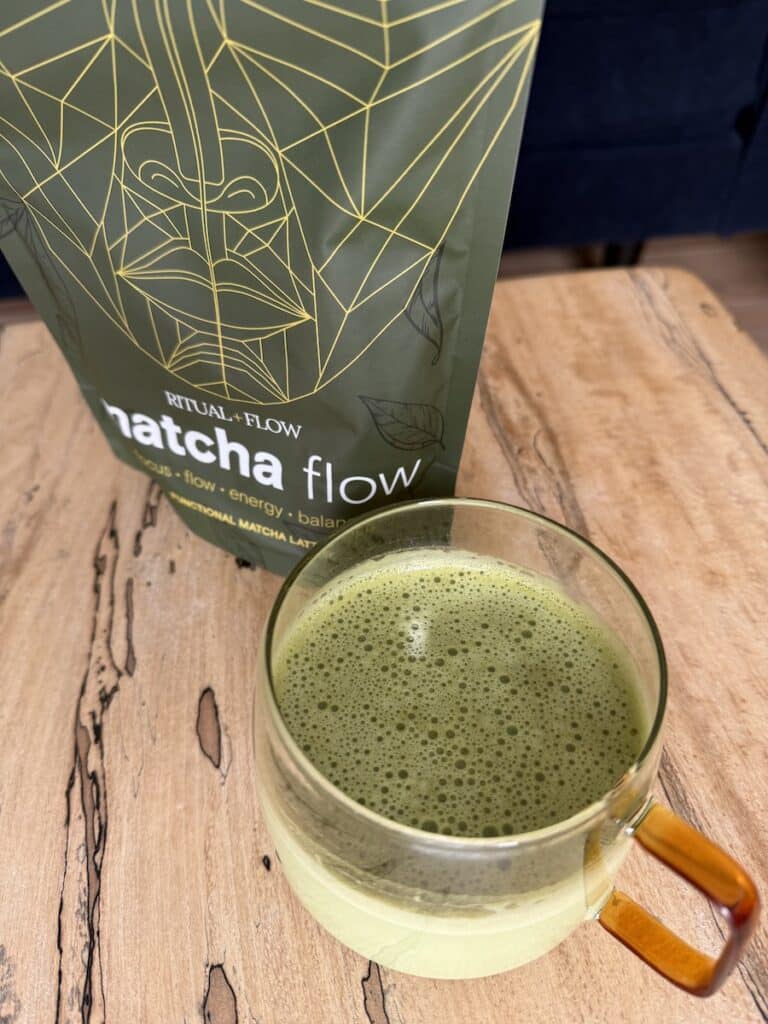
I tried it after hearing someone mention it in passing, and it’s become my daily go-to. Similar price point (£25-30 per pack) but you get 5 extra servings compared to the matcha-mushroom blend like Matcha Fuel, – they also add ashwagandha for extra stress support and tremella mushroom which is great for skin (it’s known as the beauty mushroom). They also add vitamins B5, B6 and B12 at appropriate doses which makes it great for all-round brain health. The difference is noticeable.
Taste for me is better. It’s more balanced, lighter sweetness, and that earthy mushroom funk is way less pronounced. I actually look forward to drinking it now, which wasn’t always the case with Matcha Fuel. Energy lasts longer too, pushing into 5-7 hours instead of 4-5. Focus feels sharper, maybe 30% better based on how much I’m getting done. Sleep improved even more – deeper REM cycles, waking up feeling properly rested.
Other people seem to agree. I’ve seen comments praising the calm it brings without any shakes, and how it genuinely helps them get into a flow state for work.
Why is it better? Honestly, I think it’s just a smoother formula. The ingredients integrate better, taste is on point, and the effects feel more pronounced. If Matcha Fuel is a solid B+, Matcha Flow is a straight A. Worth the switch in my book.
There are other options like vybey Braincare Smart Focus, which combines matcha with nootropics, or OMG Tea Green Gold for purity-focused buyers. But Matcha Flow hits the sweet spot for me.
So, Is There A Better Option?
Yeah, I think there is.
Matcha Fuel is good. It delivers clean energy, decent focus, and some legitimate health benefits if you stick with it. But between the cost, the plateau effect I hit around month three, and the slightly medicinal taste of the mushroom blends, I don’t think it’s the best choice out there.
Matcha Flow edges it out on pretty much every front—taste, sustained energy, deeper focus, better sleep. It’s also more enjoyable to drink, which matters when you’re doing this every day. The price is similar, so you’re not losing anything financially by making the switch.
If you’re curious about Matcha Fuel, try it. It’s not going to be a waste of money, and you might love it. But if you want my honest recommendation after trying both extensively, go with Matcha Flow. It’s the one I keep coming back to, and the one I’d suggest to anyone asking.
That’s it. No grand conclusions, no miracle claims. Just a better option if you’re looking for one.
